Source semi-carbon carbon fiber hood for Q7, R8, and TT
Compare 30 listings for semi-carbon carbon fiber hood options tailored for models like Q7, R8, and TT. Buyers can evaluate fitment, finish, and pricing to find suitable parts for retrofit or upgrade projects.
Key considerations
Products List


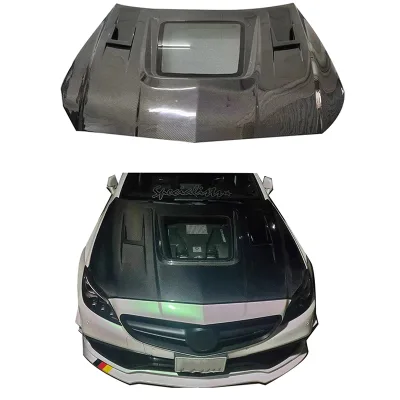
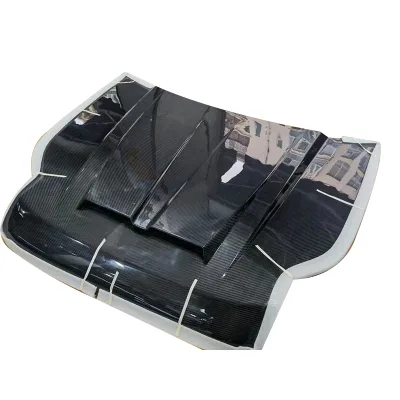
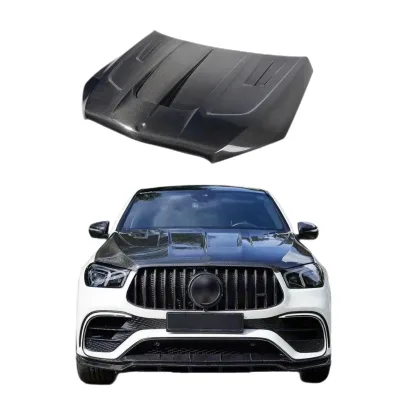
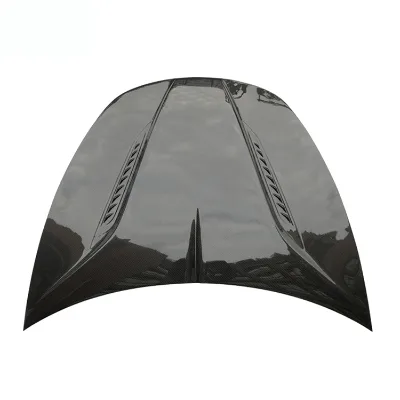
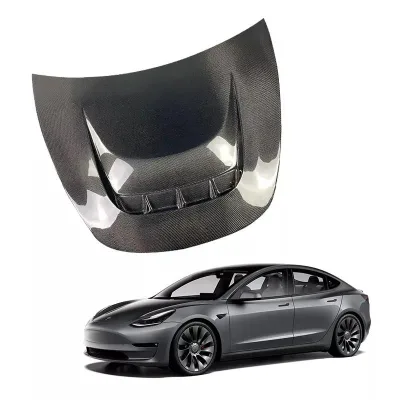
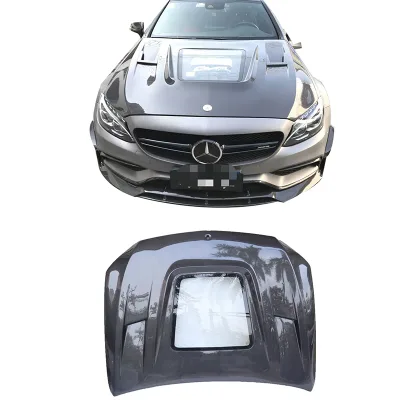

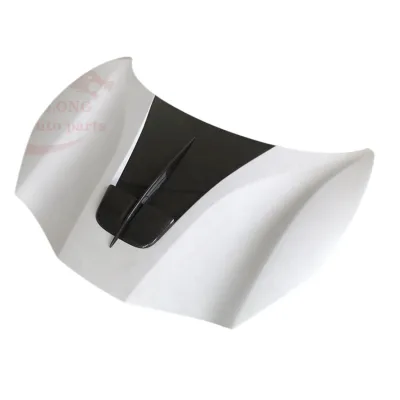
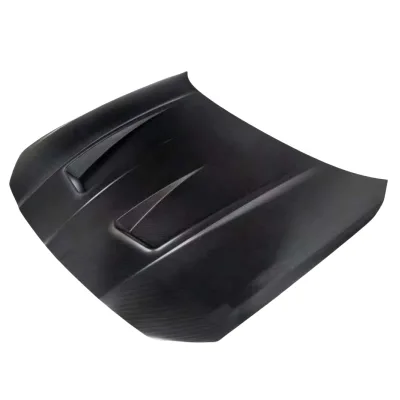
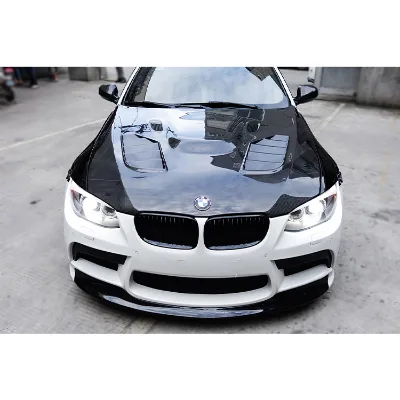
Carbonado Seibon Style Carbon Fiber Hood for 3 Series E92 LCI Engine Bonnet
$917.02 - $1302.59
MOQ: 1 pieces
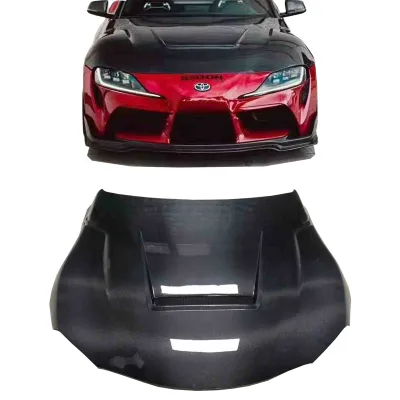
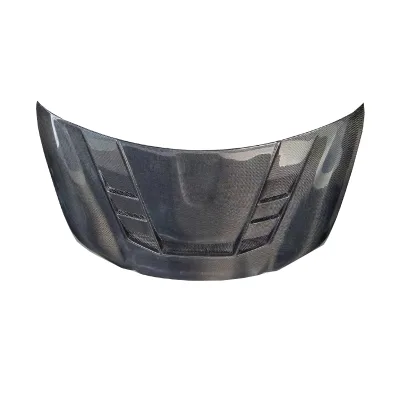
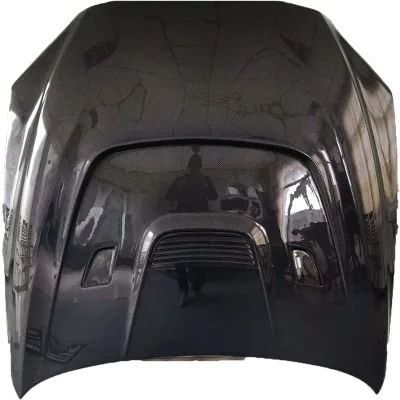
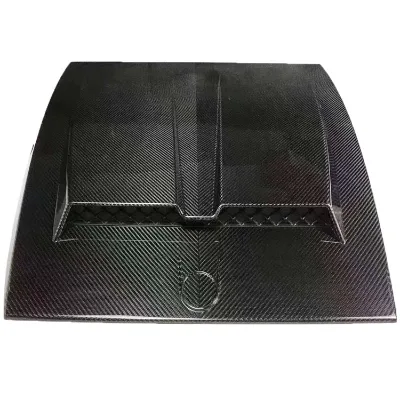
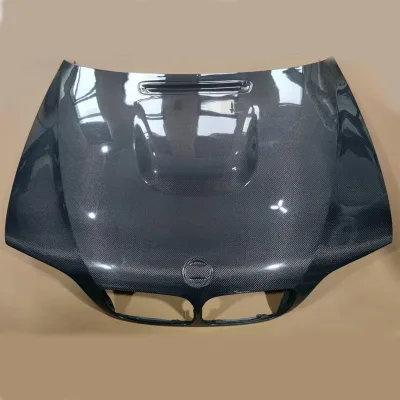
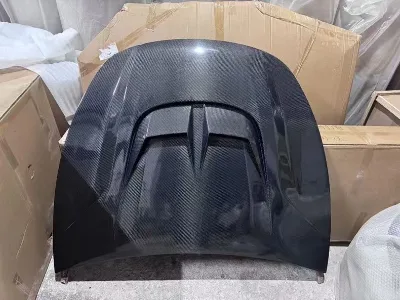
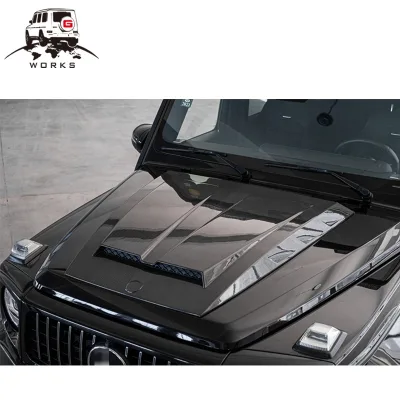

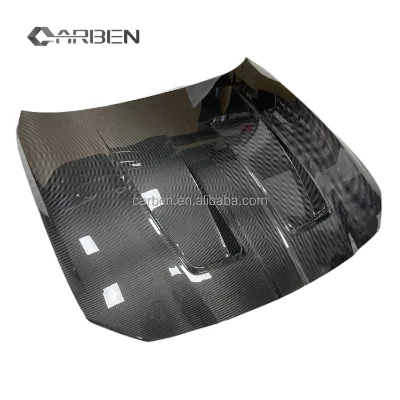
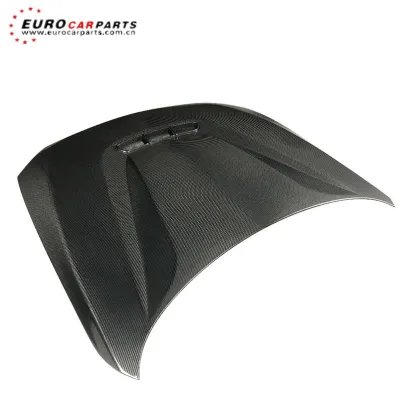
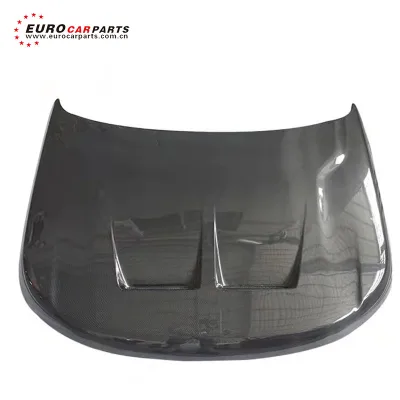
Comprehensive Sourcing Guide
Semi-Carbon Carbon Fiber Hood Sourcing Guide
Sourcing a semi-carbon carbon fiber hood requires a nuanced understanding of material composition, fitment precision, and supplier transparency. Unlike full carbon fiber components, semi-carbon hoods often utilize a hybrid construction or a specific weave pattern that balances aesthetic appeal with cost efficiency. Buyers must recognize that "semi-carbon" can refer to various manufacturing techniques, including carbon fiber skins bonded to aluminum or composite cores, or the use of lower-grade carbon weaves with visible resin content. The primary value proposition lies in achieving a lightweight, high-gloss aesthetic without the premium price point of full dry-carbon or high-grade wet-lay components. However, this cost saving introduces potential risks regarding long-term durability, UV resistance, and structural integrity if the supplier does not disclose the exact layup process.
The procurement process for these components is heavily influenced by the specific vehicle platform and the intended use case, whether for daily driving, track use, or static display. Observed market signals indicate a wide variance in product quality, with listings ranging from basic bolt-on replacements to high-performance upgrades. Buyers should approach product descriptions with skepticism, treating attributes like "hand-made good finish" or "excellent fitment" as claims that require independent verification through sample orders or detailed technical drawings. The goal is to identify suppliers who provide transparent data on material weight, resin type, and curing processes, rather than relying on marketing terminology that may obscure the actual product specifications.
Product Scope and Observed Listing Signals
The current market for semi-carbon hoods is characterized by a diverse range of applications, primarily targeting performance-oriented vehicles such as the Audi Q7, R8, BMW M2, Toyota GR86, and Peugeot models. Listings frequently highlight compatibility with retrofit and upgrade purposes, indicating that these parts are often purchased to enhance the visual and functional profile of existing vehicles. The observed product names, such as "Carbon Fiber Engine Hood Bonnet" or "Carbon Fiber Bonnet," suggest a standardization in terminology, yet the underlying construction can vary significantly between suppliers. Buyers must carefully cross-reference the listed car models with their specific vehicle year and trim, as fitment issues are common when generic descriptions are used without precise dimensional data.
Visual and finish attributes are critical differentiators in this category, with many suppliers offering a high-gloss clear coat finish over a 3K twill weave pattern. This specific weave is popular for its balance of strength and aesthetic appeal, providing a distinctive diagonal pattern that is widely recognized in the automotive aftermarket. However, the presence of a clear coat also introduces maintenance considerations, as the longevity of the gloss depends on the quality of the UV-resistant resin used. Some listings mention additional carbon fiber parts such as fenders, trunk lids, and rear diffusers, suggesting that buyers may have opportunities to bundle orders for a cohesive look, though this requires careful coordination of lead times and shipping logistics to ensure all components arrive in pristine condition.
Technical Specifications to Verify
Dimensional accuracy is the most critical technical specification to verify before placing a bulk order. The observed standard dimensions of 17316629 cm and single package sizes around 170X165X24 cm provide a baseline, but these figures must be validated against the specific mounting points of the target vehicle. Buyers should request detailed CAD drawings or 3D scans from the supplier to ensure that the hood’s hinge locations, latch mechanisms, and air intake cutouts align perfectly with the vehicle’s chassis. Any deviation in these measurements can lead to significant installation challenges, requiring extensive modification or resulting in poor aerodynamic performance and potential safety hazards.
Material composition and weight are equally important factors that distinguish high-quality semi-carbon hoods from inferior alternatives. While the material is listed as carbon fiber, buyers must clarify whether the component is a full carbon layup, a carbon skin over a composite core, or a hybrid material. The observed single gross weight of 12.000 kg provides a reference point, but the actual weight can vary based on the thickness of the carbon layers and the type of core material used. Additionally, the attachment type is specified as bolt-on, which implies that the hood should replace the original factory part without requiring welding or permanent modifications. Buyers should verify that the bolt holes are precisely drilled and reinforced to withstand the stresses of opening and closing, as well as the vibrations encountered during driving.
Compliance and Safety Documentation
Although specific certification standards are not explicitly detailed in the observed listings, buyers must ensure that the supplier can provide documentation verifying the structural integrity of the hood. This includes proof that the carbon fiber layup meets industry standards for impact resistance and thermal stability, particularly if the hood is intended for high-performance applications. Buyers should request test reports or material safety data sheets (MSDS) that detail the resin system used, ensuring it is compatible with the high temperatures generated by the engine bay. Without this documentation, there is a risk that the hood may delaminate or degrade over time, posing a safety risk to the vehicle occupants and other road users.
Regulatory compliance regarding vehicle modifications is another essential consideration, particularly in regions with strict laws governing aftermarket parts. Buyers should verify that the hood does not obstruct the driver’s view, interfere with airbag deployment sensors, or violate local noise and emission regulations. While the product is described as having "excellent fitment," this claim must be supported by evidence that the hood meets the legal requirements for roadworthiness in the buyer’s jurisdiction. Suppliers who are experienced in exporting to multiple markets should be able to provide guidance on any necessary modifications or certifications required to ensure the part is legal for use on public roads.
Cost Drivers and Commercial Terms
The price range of 3-1842.16 USD reflects the vast disparity in quality, material grade, and supplier reputation within the semi-carbon hood market. Lower-priced items may utilize recycled carbon fiber, lower-grade resins, or less rigorous quality control processes, while higher-priced items likely feature premium materials, precise fitment, and superior finish quality. Buyers should analyze the cost structure to understand what they are paying for, considering factors such as the complexity of the weave pattern, the thickness of the carbon layers, and the inclusion of additional features like heat shields or reinforced hinges. It is crucial to avoid selecting a supplier based solely on price, as the hidden costs of returns, modifications, and potential safety issues can far outweigh the initial savings.
Commercial terms such as MOQ, payment methods, and delivery times also play a significant role in the procurement decision. The observed MOQ of 1 set suggests that suppliers are flexible and willing to accommodate small orders, which is beneficial for buyers testing the market or purchasing for individual vehicles. Payment terms like Western Union and TT are common, but buyers should consider using secure payment methods that offer protection against fraud or non-delivery. Delivery times of around 7 days are attractive, but buyers must account for potential delays due to custom manufacturing, shipping logistics, and customs clearance. Understanding these commercial terms helps buyers plan their inventory and manage cash flow effectively.
Supplier Qualification and Quality Control
Supplier qualification is a critical step in mitigating the risks associated with sourcing semi-carbon hoods. Buyers should prioritize suppliers who provide transparent information about their manufacturing processes, including details about their curing ovens, molding techniques, and quality control procedures. The observation that products are packed in wooden cases or plywood boxes indicates an awareness of the fragility of carbon fiber components, but buyers should verify that the packaging is sufficient to prevent damage during transit. Suppliers who offer a full refund if the fit is not perfect demonstrate confidence in their product, but buyers should still conduct their own due diligence by reviewing customer feedback and requesting samples before committing to large orders.
Quality control measures should be established early in the procurement process to ensure that the received goods meet the specified standards. Buyers should implement a rigorous inspection protocol that checks for surface defects, such as bubbles, wrinkles, or uneven resin distribution, as well as dimensional accuracy and fitment. It is advisable to conduct a trial order to evaluate the supplier’s consistency and reliability before scaling up production. Additionally, buyers should maintain open communication with the supplier to address any issues promptly and to build a long-term partnership based on trust and mutual respect. This proactive approach helps to minimize the risk of receiving substandard products and ensures a smoother procurement experience.
Long-Term Procurement Checks
Long-term procurement success depends on the ability to monitor supplier performance and adapt to changing market conditions. Buyers should regularly review supplier metrics, such as on-time delivery rates, defect rates, and customer satisfaction scores, to identify potential issues early. It is also important to stay informed about advancements in carbon fiber technology and manufacturing processes, as these developments can impact the quality and cost of semi-carbon hoods. By maintaining a diversified supplier base and continuously evaluating options, buyers can reduce their dependency on any single supplier and negotiate better terms over time.
Finally, buyers should establish a feedback loop with their end-users or internal teams to gather insights on the performance and durability of the sourced hoods. This feedback can provide valuable information about any recurring issues, such as paint peeling, hinge failure, or fitment problems, which can be used to refine specifications and improve future orders. By treating procurement as a continuous improvement process, buyers can ensure that they consistently receive high-quality semi-carbon hoods that meet their customers’ expectations and contribute to the overall success of their business. This strategic approach helps to build a resilient supply chain that can withstand market fluctuations and evolving customer demands.
FAQs
What is the material composition of the hood?
The hood is constructed from carbon fiber material with a 3K twill weave surface. It features a high glossy clear coat finish and is available in black color for various car models including Q7 and R8.
How is the product installed on the vehicle?
Installation is performed using screws with a bolt-on attachment type. The product is designed for retrofit or upgrade purposes and claims excellent fitment for specific models like the Toyota Gr86 and Peugeot.
Can the product be customized for specific needs?
Yes, customization is available for this carbon fiber engine hood. Buyers can also find other parts like fenders, trunks, and rear diffusers, with options for different finishes and specific car model applications.
What is the minimum order quantity for purchase?
The minimum order quantity is one set for this product. While observed MOQs range from one to five hundred, the specific listing states one set is required to initiate a purchase order for the hood.
How long does delivery take after ordering?
The delivery time is seven days from the order date. Products are packed in plywood cases or wooden packages to prevent crushing during transportation, ensuring safe arrival from the origin in China.
What warranty is provided if the fit is not perfect?
A full refund is offered if the product does not fit perfectly. This warranty applies to the new condition items which are 100% brand-new and include services like 24-hour online support for buyers.